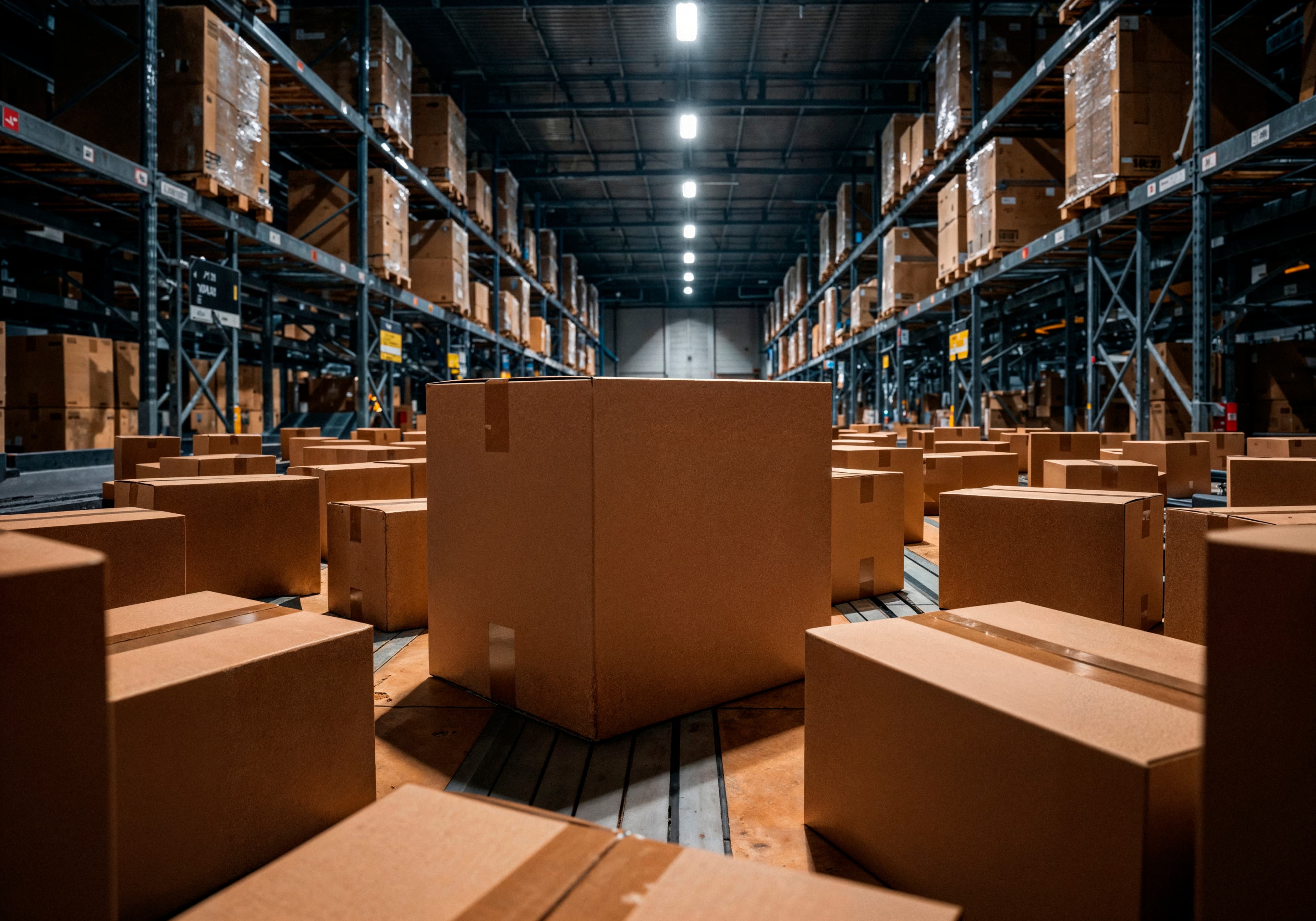
Most online stores source the same way: find a supplier overseas, negotiate a minimum order, pay for stock upfront, wait for it to arrive. Capital sits in inventory that may or may not sell. Delivery to the customer takes two to four weeks. When the U.S. de minimis exemption ended, duties made the math harder still.
Domestic sourcing inverts the sequence. The products are branded goods from U.S. private label and DTC brands, already stocked in Amazon fulfillment centers. A store lists them without buying anything. When a customer orders, the order routes to Amazon Multi-Channel Fulfillment (MCF) — the service Amazon sellers use to ship from channels outside Amazon.com — and the package leaves a domestic warehouse. It arrives in 1–3 days.
For the retailer, the operational load is close to zero. No purchase orders, no minimums, no warehouse, no supplier calls. Stock syncs into Shopify in real time, so products that run out disappear from the store before anyone can buy them. Tracking flows back automatically.
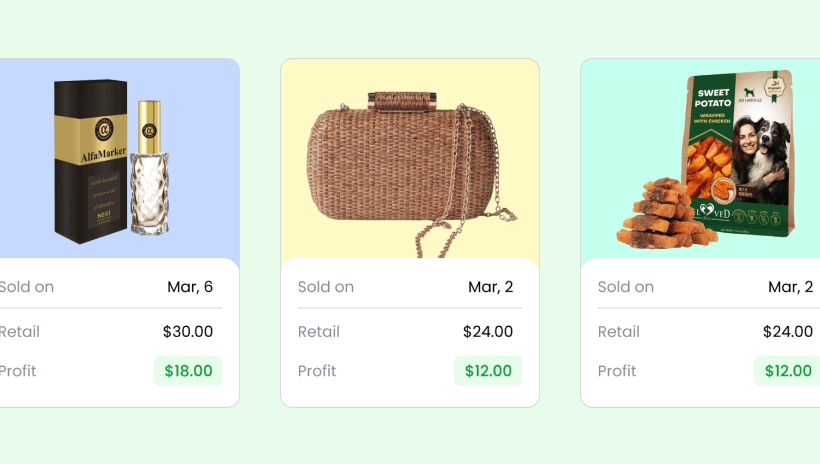
The economics work because the inventory is already in the network. Brands list stock they want to move; stores list products they never paid for. One side recovers capital, the other gains a catalog — and Amazon's fulfillment infrastructure carries the order between them.
Mysellerhub is the Shopify app that connects the two. It's built on Onlihub, an official Amazon Multi-Channel Fulfillment partner.